
Descripción
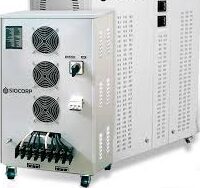
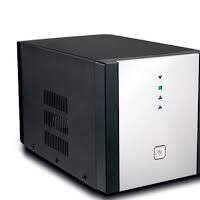
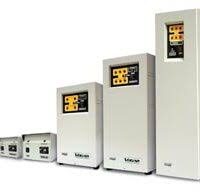
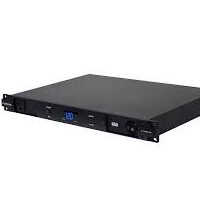
In an era where we rely heavily on sophisticated electronic devices, the quality of power supply is often overlooked. Power fluctuations, such as sags, surges, and spikes, are more common than most realize and can cause irreparable damage to sensitive equipment. This is where a Voltage Stabilizer becomes an essential asset. A voltage stabilizer is an electrical device designed to deliver a constant voltage to a load at its output terminals, regardless of any changes or fluctuations in the input (incoming) supply.
How Does a Voltage Stabilizer Work?
The core function of a stabilizer is to perform «buck» and «boost» operations. When the input voltage drops below a safe level, the stabilizer boosts the voltage to the required range. Conversely, if the voltage rises too high, it bucks or reduces the voltage. This is typically achieved through a transformer and electronic circuitry that monitors the incoming power in real-time. By maintaining a steady flow of electricity, the stabilizer ensures that your appliances—from refrigerators to medical equipment—operate within their optimal power range.
The Major Benefits of Using a Stabilizer
Investing in a high-quality voltage stabilizer offers several key advantages for both residential and industrial settings:
-
Equipment Longevity: Consistent voltage prevents internal components from overheating or wearing out prematurely.
-
Operational Efficiency: Many appliances consume more power or perform poorly when the voltage is unstable; a stabilizer ensures they run as intended.
-
Protection Against Spikes: Advanced stabilizers include surge protection to shield devices from sudden, high-intensity electrical bursts caused by lightning or grid switching.
-
Reduced Repair Costs: By preventing «fried» circuits, you save significantly on maintenance and replacement parts over time.
Types of Voltage Stabilizers
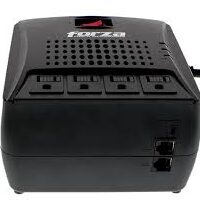
Not all stabilizers are created equal, and the right choice depends on your specific needs. Servo-based stabilizers use a servo motor to adjust the voltage with high precision, making them ideal for sensitive laboratory or medical instruments. Static voltage stabilizers, on the other hand, have no moving parts and use power electronic circuits for incredibly fast correction speeds. For general home use, Relay-type stabilizers are a cost-effective and popular choice for protecting TVs and air conditioners.
Choosing the Right Stabilizer for Your Needs
To select the correct voltage stabilizer, you must first calculate the total power consumption of the devices you intend to connect, usually measured in Watts or KVA. It is a best practice to choose a stabilizer with a 20-30% higher capacity than your total load to account for future additions or power surges during startup. Additionally, check the input voltage range of the stabilizer to ensure it can handle the specific fluctuations common in your local area. Whether for a home office or a large factory, a voltage stabilizer is the ultimate insurance policy for your electrical investments.


Valoraciones
No hay valoraciones aún.